Freestyle Type Beat Guide for Hard Trap Flows
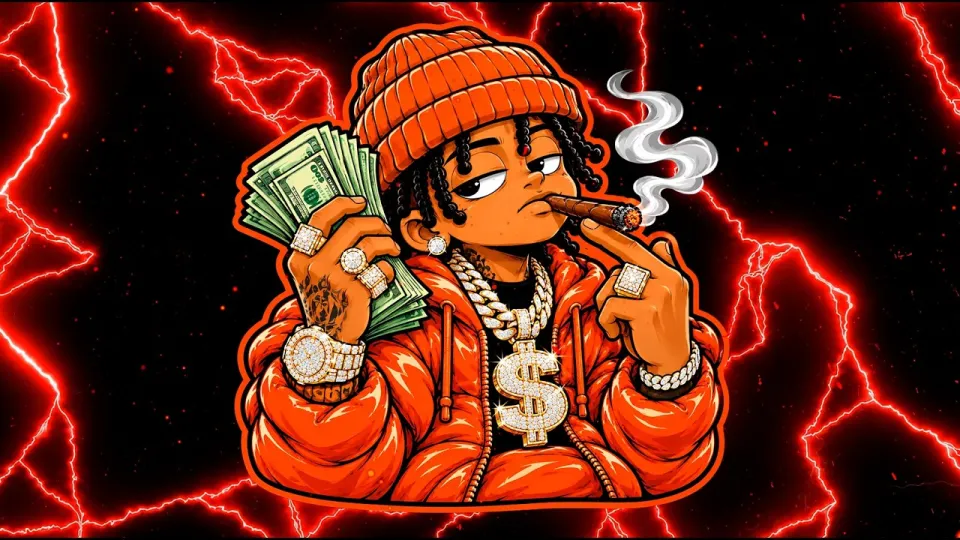
Video: FREESTYLE TYPE BEAT - ''I HAVE HARD FLOW'' | Trap Instrumental 2026 | Rap Type Beat
Need articles like this for your video? They help promote it on YouTube and Google — order them in the Telegram bot @sat_sit_bot. The bot writes and publishes the articles itself (with your YouTube video embedded) on popular topical websites (no ads). Try it free: 50 articles on us.
Key takeaways
- Rey Pandora Beats published the freestyle type beat "I HAVE HARD FLOW" on 2026-10-19 as a trap instrumental tagged for rap freestyles.
- Free use of the beat is allowed only for non-monetized projects with credit to Rey Pandora Beats as producer.
- Monetized YouTube videos and releases on Spotify, Apple Music or iTunes require a purchased commercial license.
- Commercial licenses and the full beat catalog are available at the producer's BeatStars store.
- The channel reported 800K subscribers at publication and is aiming for 900K.
A freestyle type beat is an instrumental built to carry an improvised or quickly written rap verse, usually with a simple melodic loop and a heavy drum pattern that leaves room for the voice. "I HAVE HARD FLOW" from Rey Pandora Beats is a trap example of the format: a hard-hitting rap type beat published on 2026-10-19, offered for free use in non-monetized videos and sold under a commercial license through the producer's BeatStars beat store for anyone who wants to release on Spotify, Apple Music or a monetized YouTube channel.
What a freestyle type beat actually is
The term describes two things at once: the instrumental itself and the search category producers use to label it. A freestyle type beat is not a beat that belongs to a specific artist; it is a beat engineered so that a rapper can start writing or improvising immediately, without waiting for a complicated arrangement to reveal itself.
That usually means a few concrete design choices:
- A short, repeatable melodic loop, often a dark synth or guitar figure, that stays recognizable through the whole track.
- A drum pattern with a clear kick-and-snare spine so the rapper can lock the pocket without counting bars.
- Generous space in the midrange, because the vocal has to sit there and a crowded mix forces the rapper to shout.
- Minimal section changes, so an eight- or sixteen-bar verse can run without the beat moving out from under it.
A trap instrumental tagged as a hard type beat leans on the same skeleton with more aggression: heavier 808s, sharper hi-hat rolls and a darker harmonic palette. The title of this release, "I HAVE HARD FLOW", signals exactly that use case, an assertive verse rather than a melodic hook-driven song.
How the hard trap instrumental is structured for writing
A hard trap beat earns its label from the low end and the transient design, not from tempo alone. When you open a freestyle rap beat like this one, listen for three layers before you write a single line.
The first is the 808 or sub-bass line. It carries the weight of the track and dictates where a rapper can breathe; verses written against a sliding 808 tend to land on short, punchy phrases rather than long sentences. The second is the hi-hat pattern, which in trap functions as a rhythmic metronome and often doubles as the only thing marking subdivisions of the bar. The third is the melodic loop, which sets the emotional register: minor-key synth work reads as menacing, while a brighter sample pushes the verse toward confidence or bragging.
For a freestyle, the practical approach is to loop the beat, record eight bars without stopping, and listen back for the two or three lines that actually landed. Those become the anchor of the verse, and the rest is rewritten around them. Because the arrangement in a type beat stays consistent, you can repeat this process several times without the instrumental changing character underneath you.
Free use versus commercial license on this beat
The producer's terms are explicit and worth reading before uploading anything. Free use covers YouTube videos and personal projects that are not monetized, and it requires credit naming Rey Pandora Beats as the producer in the video description or credits. That credit is the condition, not a courtesy.
Commercial use is a separate tier. If you want to monetize a YouTube video or distribute the song on Spotify, Apple Music, iTunes or comparable platforms, you need to purchase a commercial license. The store link in the description leads to the producer's BeatStars page, where licenses and the wider catalog are handled; BeatStars issues the license terms and files at the point of purchase, which is what distributors and content-ID systems expect to see.
A simple checklist before you publish:
- Non-monetized upload: credit Rey Pandora Beats in the description.
- Monetized upload or streaming release: buy the commercial license first.
- Keep the license receipt; platforms and distributors may ask for proof.
- Do not re-upload the instrumental alone as your own beat, regardless of tier.
Typical questions from rappers picking a type beat
Viewers of hard trap instrumentals tend to raise the same practical doubts, and they are worth answering directly. The most common is whether a free beat can be used at all: yes, within the limits above, meaning no monetization and visible producer credit. The second is whether a type beat can be copyrighted by the rapper; the vocal performance and lyrics can be registered, but the underlying instrumental rights stay with the producer unless the license says otherwise.
The third recurring question is about mixing. A beat that already sounds loud and finished can trick a rapper into recording too hot. Track the vocal so peaks sit well below clipping, then compare your verse against the instrumental at the same perceived loudness rather than pushing the fader up. The fourth is about fit: a hard trap beat suits aggressive, rhythmic delivery, and a rapper whose strength is storytelling over sparse loops may get more from a different instrumental in the same catalog.
There is also the matter of visuals and presentation. Listeners notice when a freestyle video looks like effort was put into it, and a plain static image next to a strong verse tends to undersell the track. A simple lyric video or a single well-lit performance shot is enough.
Where to find the beat and the producer's catalog
All official links for this release and the producer's work sit in one place:
- Beat store and licensing: https://reypandorabeatsoff.beatstars.com/
- Instagram: @rey.pandora
- Contact email: papapandorabeat@gmail.com
The channel, Rey Pandora Beats, publishes trap instrumentals, freestyle beats and rap type beats, and reported 800K subscribers at the time of this upload, with the stated goal of reaching 900K. Following the store page is the most reliable way to see new hard type beats as they are added, since the catalog and license options live there rather than in video descriptions.
Final thoughts on choosing a freestyle type beat
The value of a freestyle type beat lies in how quickly it lets you write, and "I HAVE HARD FLOW" is built for that: a hard trap instrumental with a stable loop, a dominant low end and enough midrange space for an aggressive verse. Before you record, decide whether the project is non-monetized, in which case credit Rey Pandora Beats and upload freely, or commercial, in which case buy the license through the BeatStars store first. Rey Pandora Beats, the channel behind this breakdown, keeps the full catalog and licensing terms on that page, so it is the right starting point for anyone planning to release rather than just practice.
Questions & answers
Can I use this freestyle type beat for free on YouTube?
Yes, for non-monetized videos and personal projects, provided you credit Rey Pandora Beats as the producer in the description or credits. The moment the video is monetized, the free tier no longer applies and a commercial license is required.
What do I need to release a song on Spotify using this beat?
You need a commercial license purchased through the producer's BeatStars store. Streaming platforms such as Spotify, Apple Music and iTunes count as commercial distribution, and distributors typically ask for proof of the license when you upload.
Does a type beat mean the instrumental is copied from a famous song?
No. A type beat is an original instrumental made in the style associated with a certain sound or artist, which is why producers label them as rap type beats or hard trap beats. The composition belongs to the producer and is licensed, not transferred, to the rapper.
How should I record a verse over a hard trap beat without clipping?
Keep vocal peaks comfortably below zero and avoid pushing the input gain just because the instrumental sounds loud. Record a few takes over the loop, pick the best eight bars, and compare your vocal against the beat at matched loudness rather than turning the vocal up.
Source: FREESTYLE TYPE BEAT - ''I HAVE HARD FLOW'' | Trap Instrumental 2026 | Rap Type Beat · Markdown version